

The evolution of gambling a historical perspective on its journey through time
The Origins of Gambling
The roots of gambling can be traced back to ancient civilizations, where activities involving chance and risk were integral to cultural practices. Archaeological findings in Mesopotamia reveal that dice made from animal bones date back to 3000 BC. The fascination with games of chance quickly spread across various cultures, from the Chinese using tiles for games of fortune to the Romans betting on chariot races. These early forms of gambling laid the groundwork for the complex systems we see today, including non gamstop casinos UK.


In addition to entertainment, gambling served social and economic purposes. For instance, in ancient Greece, citizens placed bets on athletic competitions, strengthening community bonds while boosting local economies. As societies evolved, so did the methods of gambling, reflecting the changing values and norms of each era.
The Rise of Modern Gambling
The 17th and 18th centuries marked significant milestones in the evolution of gambling, particularly with the establishment of formal gambling houses and casinos in Europe. The first official casino, the Casino di Venezia, opened its doors in 1638 in Italy, setting a precedent for regulated gambling establishments. These venues not only provided a space for games but also created a sense of exclusivity and sophistication, attracting the upper classes.
During this period, innovations such as the roulette wheel and new card games emerged, transforming gambling into a more structured activity. With the introduction of these games, the allure of gambling began to spread to a broader audience, eventually leading to the establishment of gambling as a popular pastime across Europe and beyond.
The Psychology of Gambling
The evolution of gambling is not solely a tale of games and establishments; it also delves into the psychology behind why individuals are drawn to these activities. The thrill of risk, the potential for reward, and the social aspects of gambling all play a significant role in human behavior. Studies show that many gamblers experience a rush of adrenaline when placing bets, which can create a powerful feedback loop that encourages repeated engagement.
Understanding the psychological aspects of gambling is crucial, especially in addressing problem gambling. Recognizing the signs of compulsive behavior can help individuals seek assistance and support. As gambling continues to evolve, integrating mental health awareness into the conversation remains vital for fostering a safer gaming environment.
The Digital Transformation of Gambling
The late 20th and early 21st centuries ushered in a digital revolution that fundamentally changed the landscape of gambling. With the advent of the internet, online casinos and betting platforms emerged, allowing people to gamble from the comfort of their homes. This shift not only made gambling more accessible but also introduced innovative technologies such as live dealer games and mobile applications.
Moreover, the rise of online gambling platforms has led to new regulatory challenges. Authorities worldwide are tasked with establishing frameworks that protect consumers while ensuring fair play. The digital era has also sparked discussions about the ethics of advertising and the promotion of responsible gambling practices, highlighting the need for ongoing vigilance in this fast-evolving industry.

Conclusion and Future Outlook
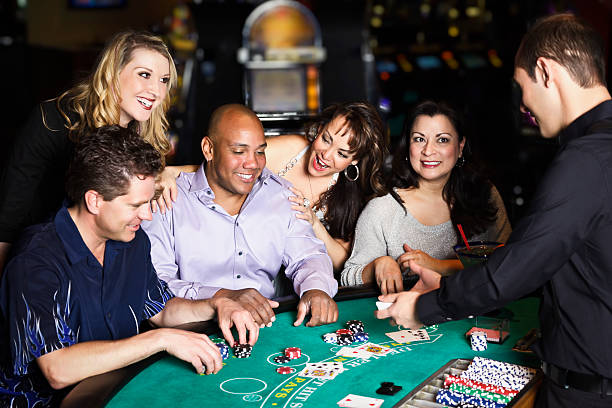
The journey of gambling through history is a fascinating reflection of human society itself. From its ancient roots to the modern digital landscape, gambling has adapted to the changing times and remains a popular pastime. As we look to the future, continued advancements in technology and shifting societal attitudes will likely influence how gambling evolves further.
This website serves as a valuable resource for those interested in exploring the complexities of gambling, offering insights into its history, psychology, and future trends. Understanding this journey can provide a broader perspective on the cultural significance and implications of gambling in today’s world.